These answers address solar PV, solar thermal water heating, application approval, grants versus financing, Calgary's 2026 program status, rural-property exclusions and repayment. They are written for ordinary home and business owners, not as legal or lending advice.
Is CEIP a free government rebate or grant?
No. CEIP provides repayable financing. In Calgary the administrator currently lists no CEIP municipal project rebate. Separate rebates or incentives may sometimes be combined if both programs permit it, but customers must not confuse a financing deposit advance with a rebate.
How do I repay a CEIP-financed solar installation?
Repayment is collected as a Clean Energy Improvement Tax charge on the property tax bill under the signed agreement. Interest applies to the financed balance and the final amortization term depends on the approved measures.
What happens if I sell my home before the financing is repaid?
The balance is tied to the property. An owner can generally repay the remaining charge before sale without penalty, or a new owner may assume it through the sale arrangements with proper disclosure and confirmation.
Do I have to repay the full CEIP financing with interest?
Yes. CEIP is not free money; budget for principal, interest and any other applicable approved charges or professional services. Request the final repayment schedule and total borrowing cost before signing.
Are there CEIP solar rebates in Calgary right now?
The current Alberta Municipalities contractor directory lists no Calgary CEIP rebate for the permanent residential or commercial program. Older brochures showing Calgary rebates can be outdated. Other participating municipalities may run different rebates.
When can Calgary homeowners next apply?
As of November 24, 2026, Alberta Municipalities lists Calgary's next residential intake for January 26, 2027. Commercial Calgary CEIP is listed as open. Intake allocations can fill or change; check the official administrator on application day.
Can I use CEIP anywhere in Alberta?
No. A municipality must participate and have an active relevant program. Each sets property types, intake status, rates, caps, deposits and eligible measures. A rural property outside Calgary is not automatically covered by Calgary financing.
Will CEIP pay for my new detached house or newly built greenhouse?
Calgary residential and commercial CEIP target eligible retrofits to existing properties; new construction does not qualify. A greenhouse on land classified as farmland or industrial will not meet Calgary's published commercial property rules. Check the actual property category with the administrator.
Can I install the system now and submit an application afterward?
No. Do not begin work until your project application is approved, the required agreements are signed, and Alberta Municipalities issues the Installation Authorization Notice. Retroactive financing is generally unavailable.
Does CEIP require a particular solar company?
Work must be completed by a contractor listed as a CEIP Qualified Contractor before the project begins. Choose the Qualified Contractor from the official directory and ensure each participating contractor's approved status and project role are documented.
Can my existing solar collector be upgraded under CEIP?
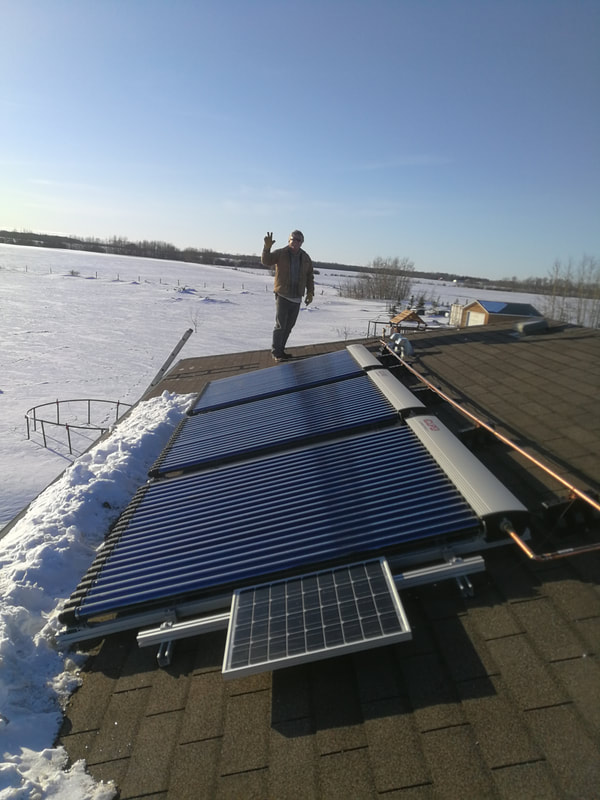
Existing PV system expansions may qualify if the minimum capital amount and all applicable criteria are met. A solar thermal project must meet its own listed requirements, including replacing or supplementing existing hot-water heating and using certified equipment; ask the program administrator about unusual retrofit cases.
Does my 30-tube solar thermal collector automatically qualify for CEIP?
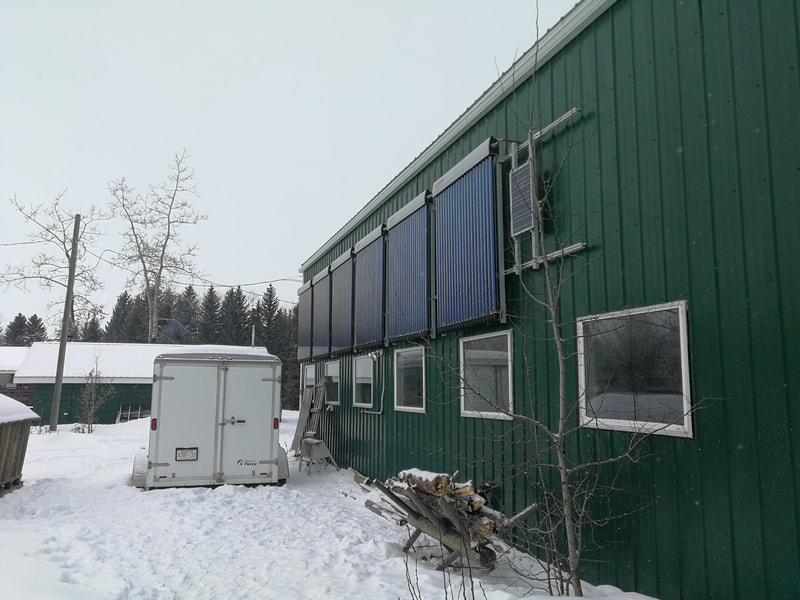
Chinook Solar has experience installing solar thermal collectors through CEIP-financed projects. CEIP eligibility is reviewed for each new project under the municipality's current rules, including qualified contractor status, equipment certification, applicable warranties and the approved installation scope.
What is the difference between the solar thermal and PV CEIP categories?
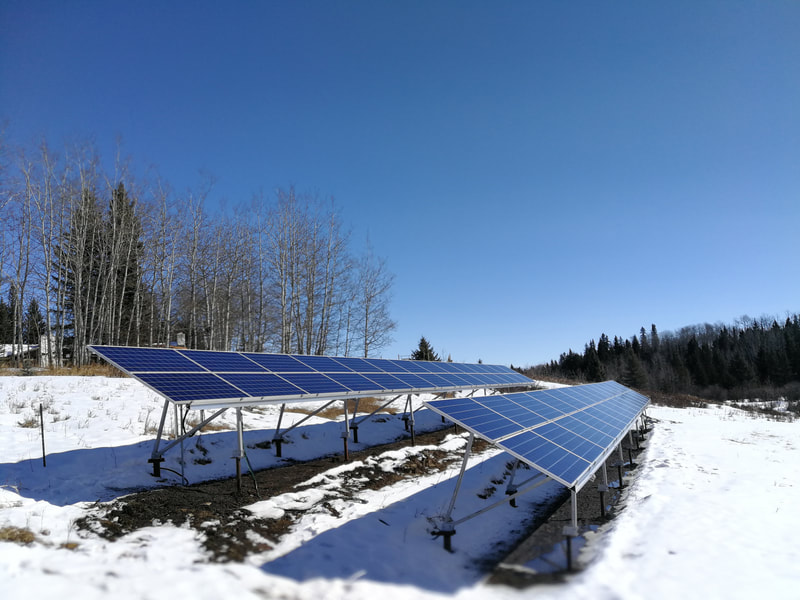
Solar thermal finances eligible equipment that heats water; solar PV finances eligible grid-connected electricity-generating equipment. The two categories have different certifications, technical documentation, useful lives and grid requirements.
Are solar water-heating storage tanks, pumps and insulation covered?
Components needed for an approved eligible solar thermal system may be part of the project scope. Solar thermal pipe insulation is expressly included under the residential thermal upgrade when properly itemized. Separate standalone purchases are not automatically CEIP eligible.
Can I combine CEIP financing with other rebates?
Potentially. Alberta Municipalities states CEIP can be stacked with separate incentives if both sets of program rules permit it. Any rebate must be real, current and documented; older federal grant advertising should not be presented as available today.
Can CEIP finance a full 20 years for solar thermal?
Not always. Calgary's general maximum is 20 years, but repayment is based on the approved upgrade's effective useful life. Residential solar thermal is listed at 12 years; commercial solar thermal at 15 years. Final terms are specified in the CEIP agreement.
Does CEIP improve approval odds if my property taxes are paid on time?
CEIP eligibility uses property, mortgage, and municipal-tax payment history, among other requirements. Current payment history can help but does not guarantee acceptance, financing availability or approval for a specific project.
What is a CEIP deposit advance?
The administrator may advance part of an approved contractor deposit according to municipal rules; Calgary's current directory lists up to 30%. This is financing paid toward the contractor's eligible work, not cash back or a discount to the owner.
Are roof repairs or incidental work eligible for financing?
Necessary incidental work may be considered when specifically required for an eligible upgrade and preapproved. Alberta Municipalities generally caps financeable incidental costs at 15% of the clean energy improvement's capital cost. Extra costs must be covered separately.
Do I need an EnerGuide evaluation for solar heating?
For an eligible Calgary residential retrofit CEIP requires both a pre-project and post-project EnerGuide home evaluation, even when the main upgrade is solar PV or solar thermal. Commercial projects use different audit and feasibility requirements.
Who receives the CEIP project money?
Payments for approved upgrades are generally made through Alberta Municipalities to the CEIP Qualified Contractor after required approvals and completion documentation, with certain permitted deposit advances and reimbursement arrangements.
How do I get started without committing to equipment?
Check the participating municipality and intake window, review eligibility, gather ownership/tax and insurance information, and discuss your home's hot-water or electrical needs. Then pursue pre-qualification and select a CEIP Qualified Contractor for documented estimates.