CHINOOK SOLAR · SPECIFICATION AND LEARNING CENTRE
CHINOOK SOLAR
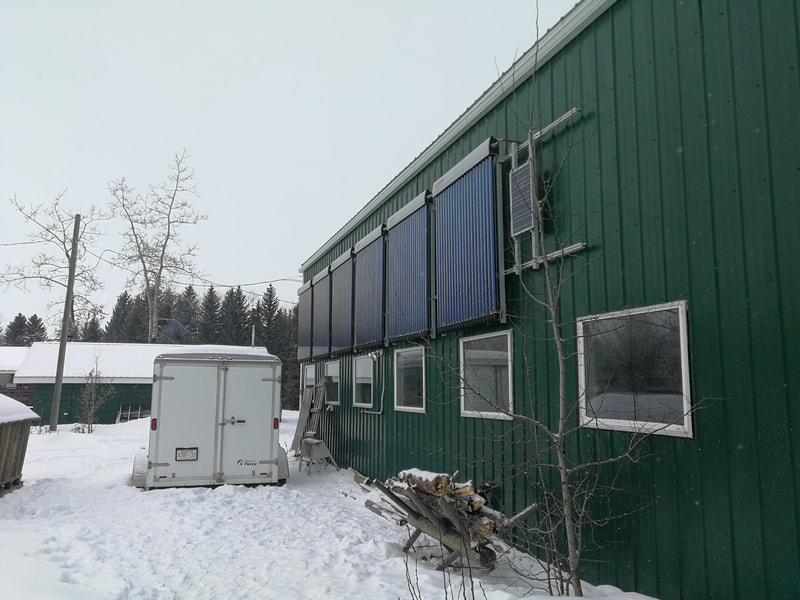
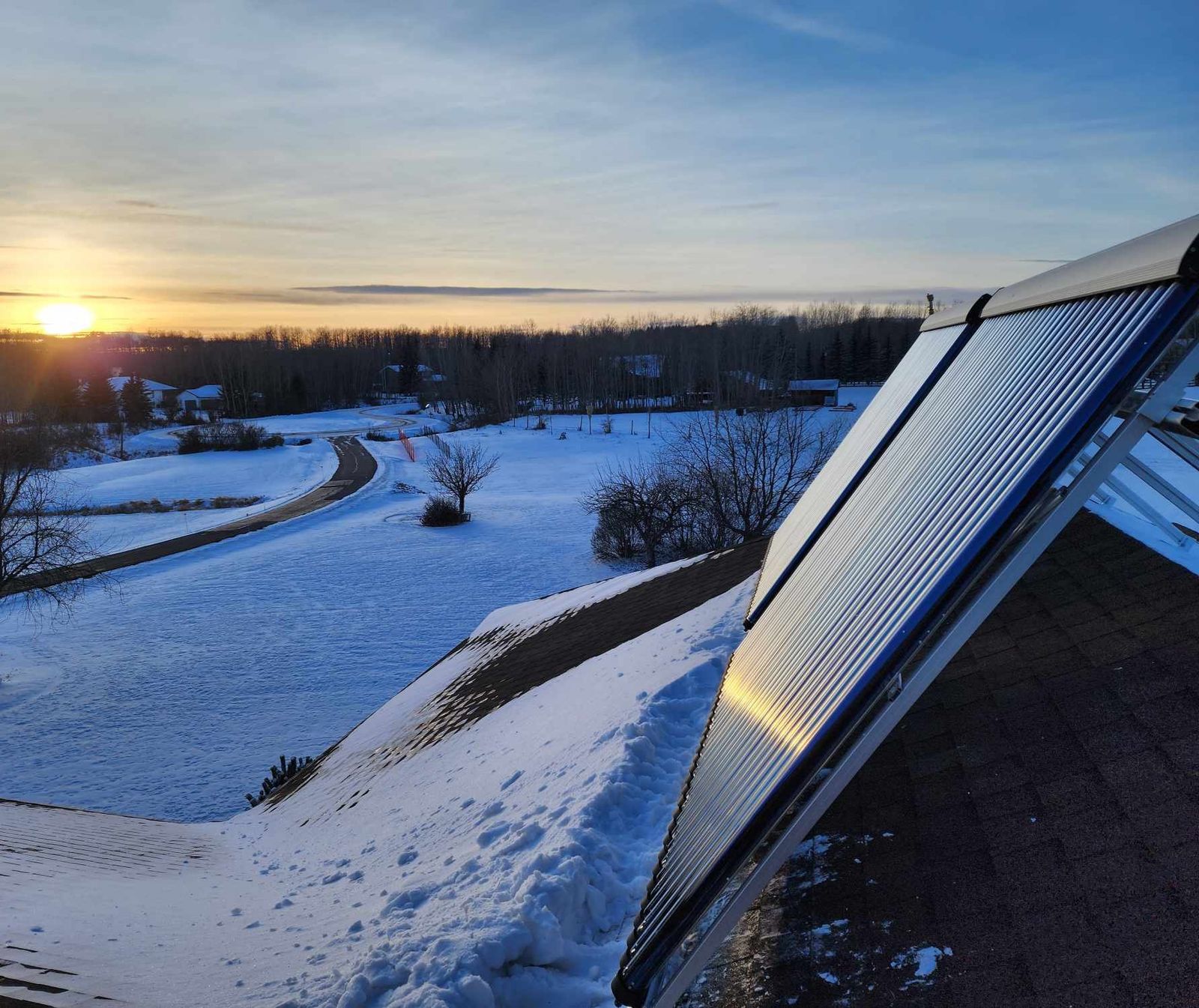
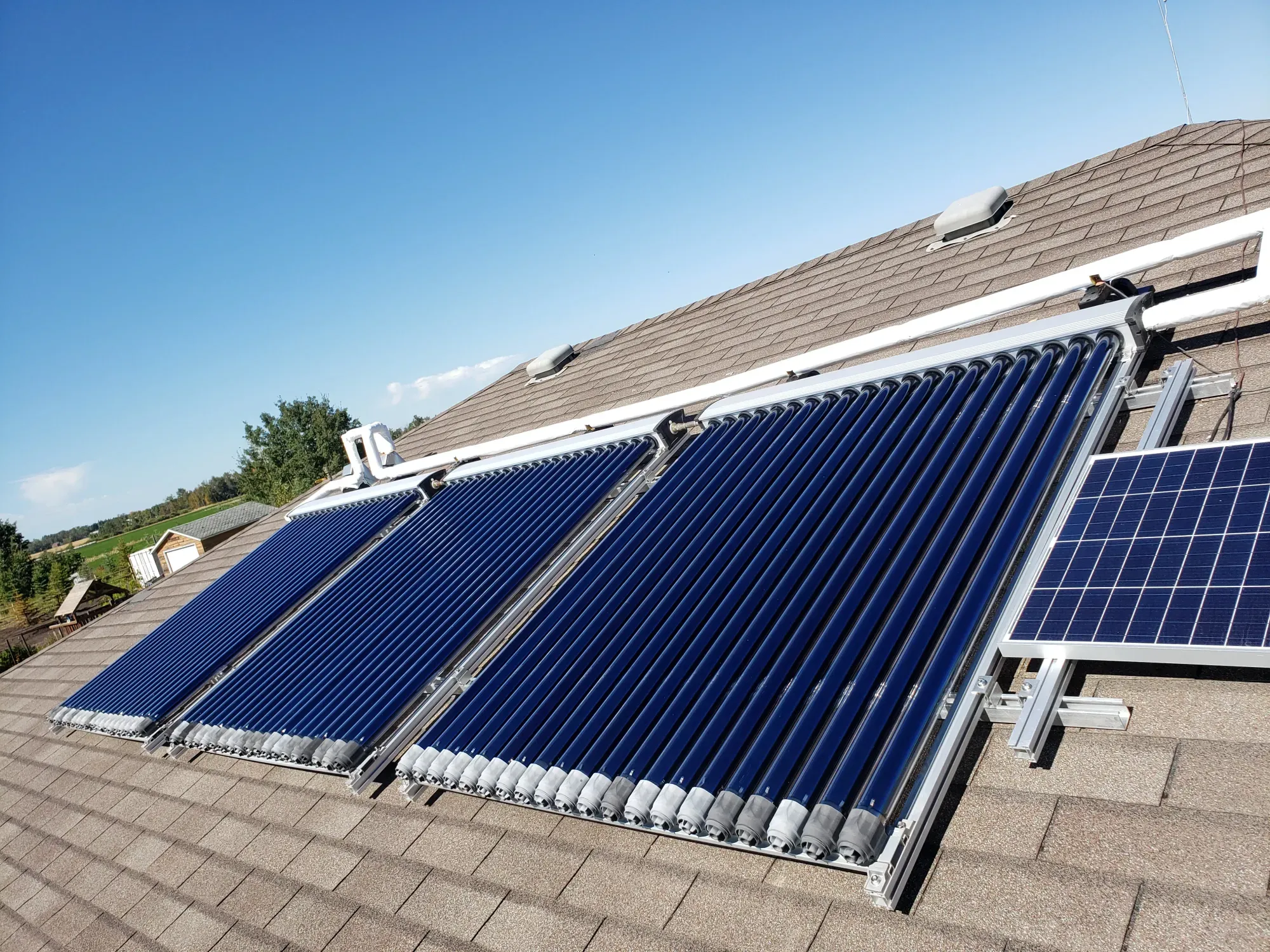
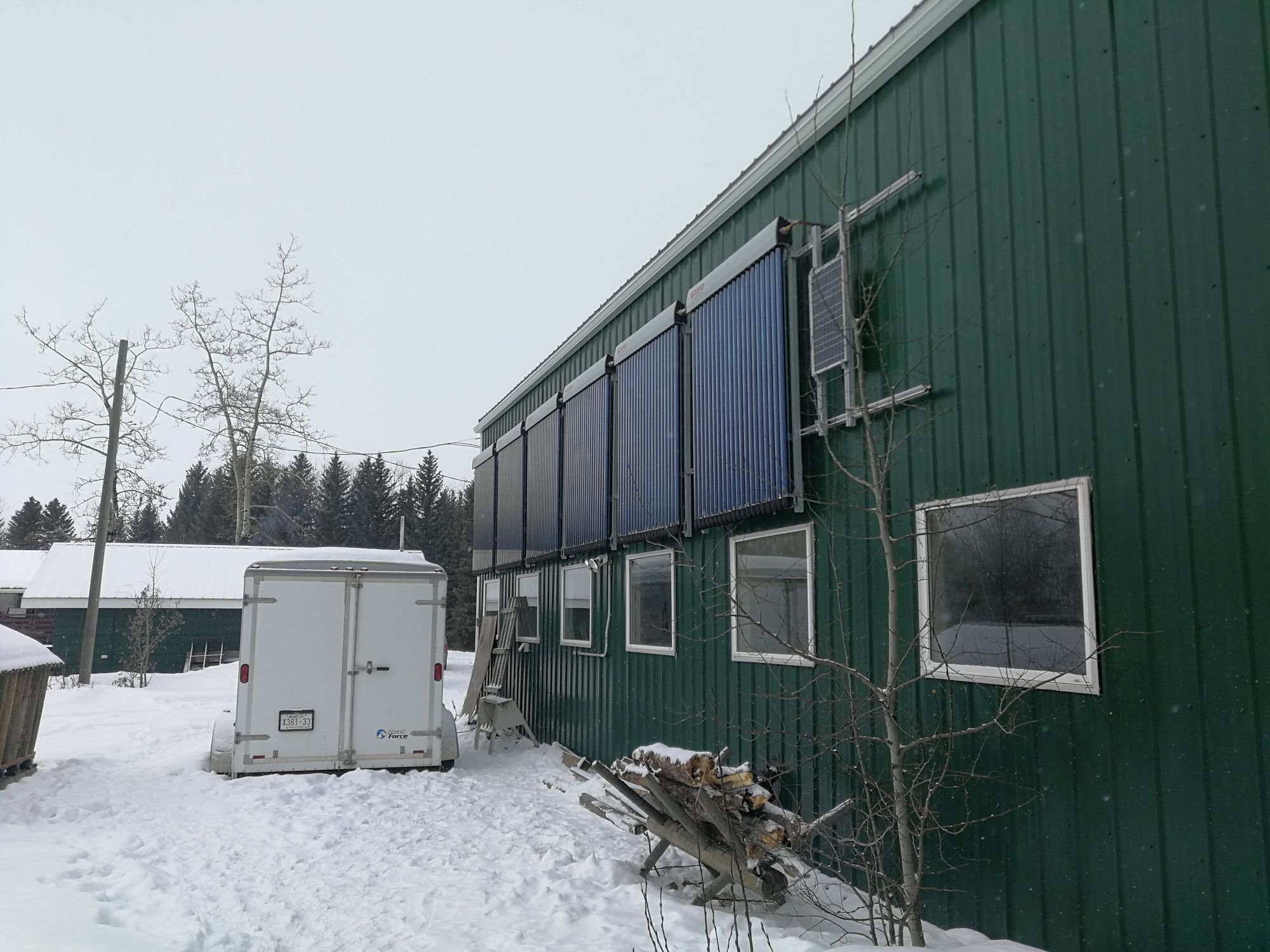
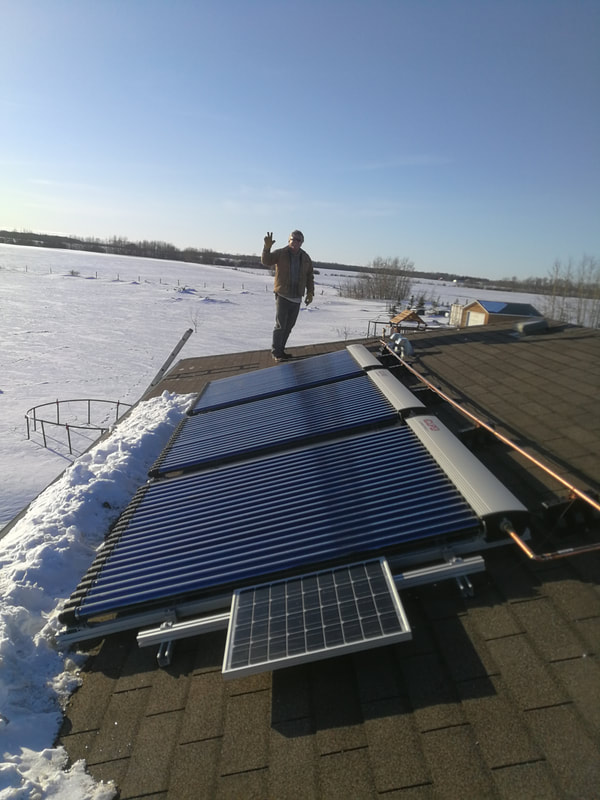
Evacuated-tube solar thermal collector installed on a snow-covered roof at sunset; real Chinook archive photographMultiple roof-mounted evacuated-tube solar thermal collector banks with a small photovoltaic panelWall-mounted solar evacuated-tube collector system on an agricultural building during winter

Real installed solar collector photographs illustrate placement. They do not verify the exact model or its internal construction.

30-TUBE EVACUATED SOLAR THERMAL COLLECTOR

Chinook Solar 30-Tube Collector

An evacuated heat-pipe solar collector designed to capture heat from sunlight and transfer it to a suitable solar thermal circuit.

30Evacuated tubes
8 barPublished max pressure*
245°CPublished stagnation temp*

CAD $1,895 historical catalog price; confirm current pricing and availability

See the Earlier collector listing for historical catalog information. Request a current dated quote for price, availability and included parts.

This is a collector component, not a complete installed solar hot-water system. Tube configuration, actual included parts, stock, manufacturer warranty and rated thermal performance must be confirmed.

*The technical values shown are transcribed from older Chinook product content, not independently certified here.

SOLAR THERMAL SYSTEMS / ANIMATED FLOW GUIDES

See how evacuated-tube collectors deliver useful heat.

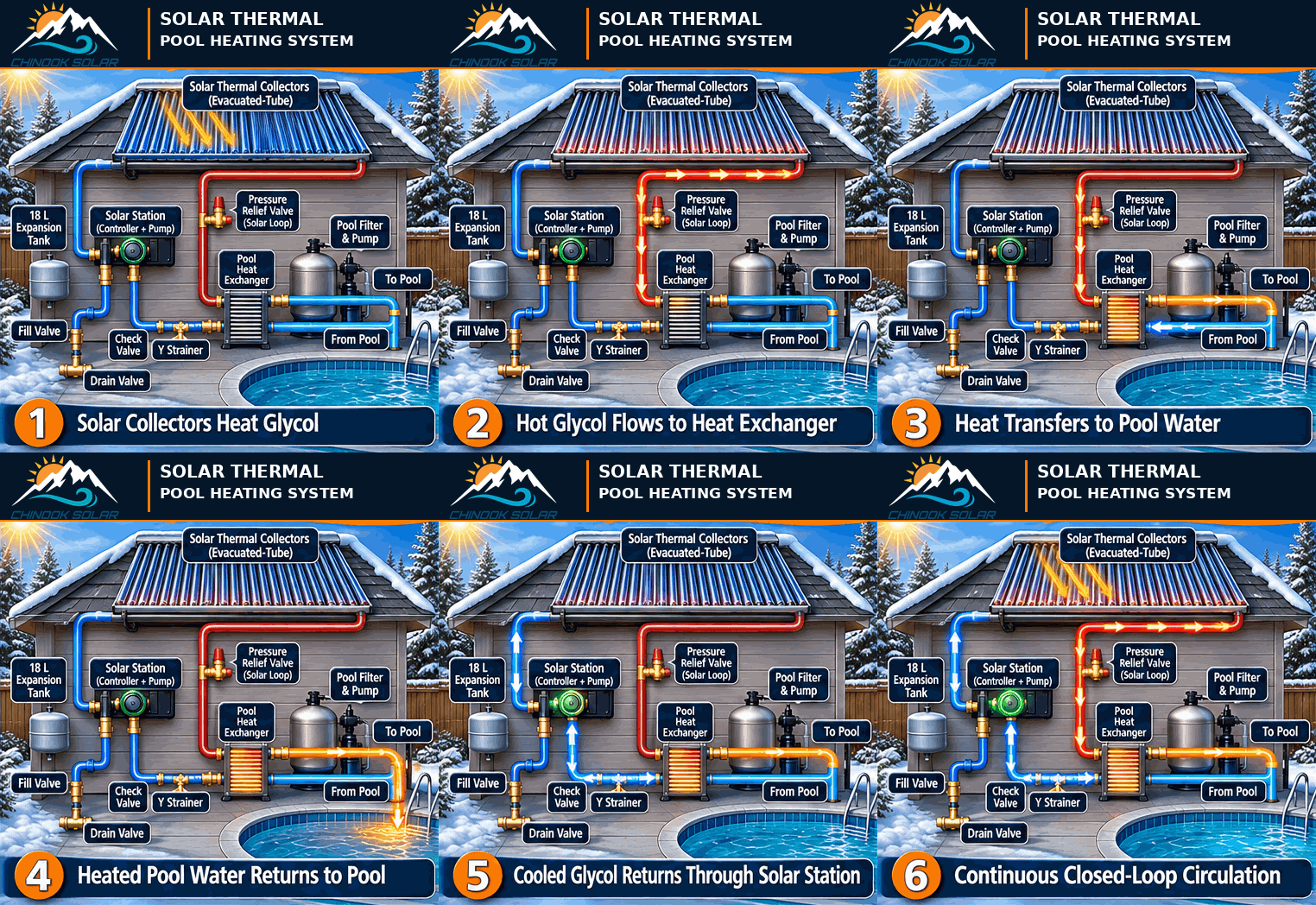
These two diagrams explain different applications for the same solar-heat collection technology: a closed-loop solar hot-water and radiant-heating system, and a seasonal pool heating system using an indirect heat exchanger. The solar fluid always circulates independently of domestic water or pool water.

Closed-loop hot-water and radiant-floor heating

Hot collector fluid enters the top of the lower solar coil inside a thermal storage tank. It flows through that coil, transferring energy to the stored water, and exits from the bottom back through the solar pump to the collector inlet. Separately, an upper internal coil can heat domestic water, while a controlled hydronic circuit supplies warm water to radiant floors.
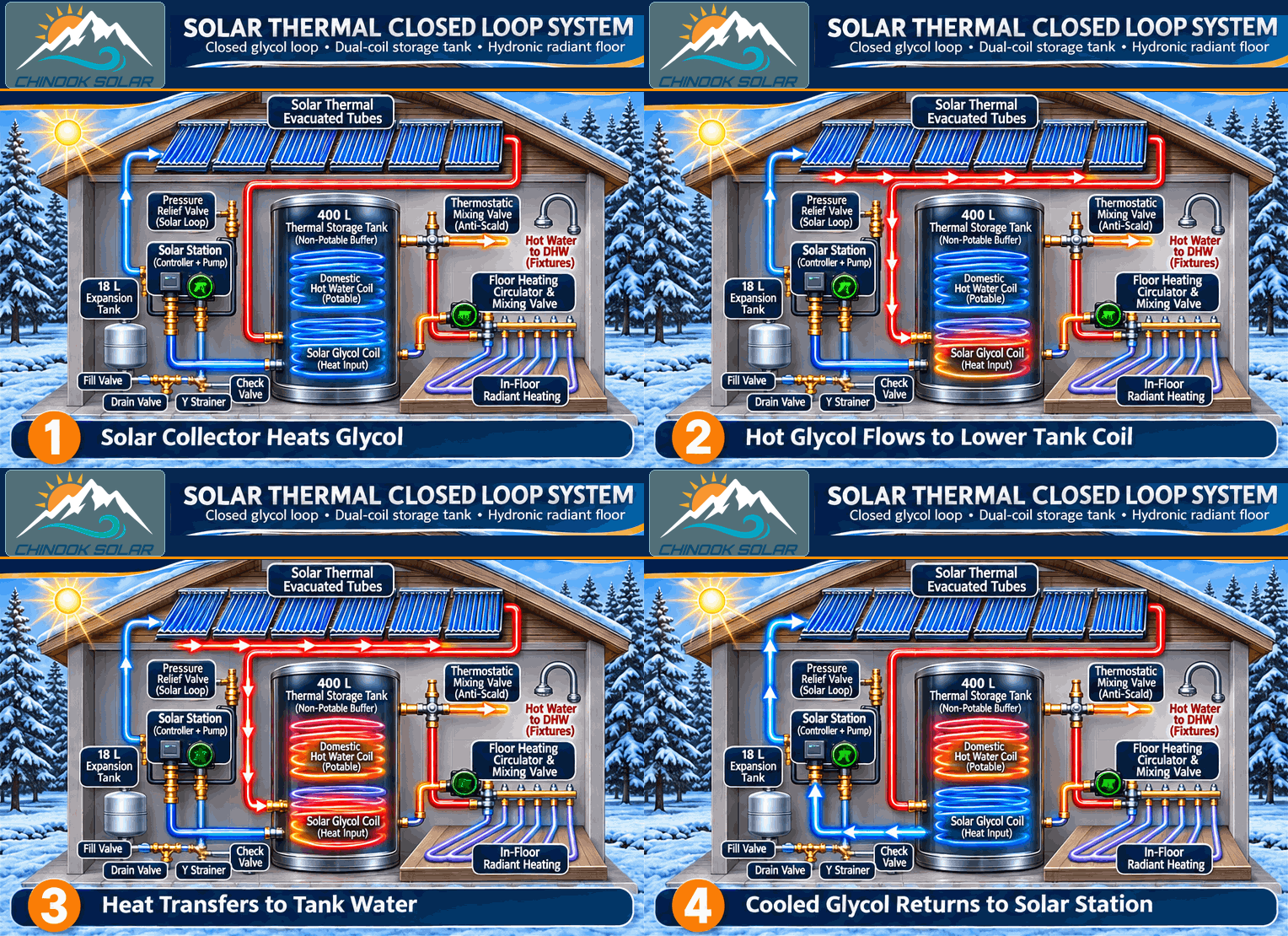
Animated Chinook Solar closed-loop heating system: collector glycol heats lower internal tank coil, return circulates to collector, while separate domestic hot water and hydronic floor circuits transfer useful heat
Solar thermal heating: hot collector fluid transfers heat to storage and returns to the collector in the same closed loop. View full animation

Follow red arrows for solar supply and blue arrows for the closed-loop return. The expansion vessel connects to a tee; it is not a through-flow destination.
Seasonal swimming-pool heating

Evacuated-tube collectors circulate heat-transfer fluid through the solar side of a separate heat exchanger. Filtered pool water circulates through the other side, receives the heat without mixing with solar fluid, and returns to the pool. Seasonal design and protection must suit the property's climate and plumbing.

Animated Chinook Solar evacuated-tube seasonal pool-heating system: heat captured in solar loop, transferred through pool heat exchanger, warm filtered water returned to pool, and cooler fluid recirculated to collectors
Solar pool heating: heat is transferred through a heat exchanger. The two fluids remain separate. View full animation

The pool diagram is an educational example of indirect solar pool heating. It is not a product specification or a claim that the seasonal DHW blueprint directly represents pool piping.

Explore the full solar pool-heating guide ↗

NOT JUST A PHOTOGRAPH OF GLASS TUBES

What actually happens inside one tube?

1 · Sunlight

Sunlight passes through the transparent outer glass.

2 · Selective coating

A dark absorber converts sunlight to heat while reducing thermal losses.

3 · Insulating vacuum

The space between glass layers is evacuated to limit heat escaping into the outdoor air.

4 · Sealed heat pipe

Heat is transported upward through an internal working-fluid mechanism in a heat-pipe design.

5 · Condenser and manifold

The tube's top connection transfers energy into an insulated collector manifold and circulating loop.

Conceptual heat-pipe cross-section. Collector internals and the header interface vary by model; confirm them against the manufacturer’s drawings.

FROM COLLECTOR TO BUILDING

What else is required to use the heat?

Collector

Converts sunlight to heat

→
Solar loop

Pumps, controls, freeze protection

→
Heat exchanger

Transfers thermal energy

→
Hot-water tank

Stores energy for later use

→
Heating load

Hot water or compatible hydronic use + backup

The correct fluid, exchanger, tank, pumps, relief devices, and controls depend on the exact site. Household water is normally kept separate from an antifreeze solar loop in an indirect Canadian system.

THE EQUIPMENT IN REAL LIFE

From evacuated glass tubes to installed thermal arrays.

These installation photographs show roof and wall placements of evacuated-tube systems. They illustrate how equipment is mounted; collector heating performance requires model-specific test data.

A 30-tube collector, circulating loop, heat exchanger and hot-water tank serve different purposes. The installation drawings and specifications explain each one.

Evacuated glass-tube solar thermal array on an Alberta roof in winter, including visible manifold
Evacuated tubes, insulated manifold and winter placement.
Outdoor vertical array of evacuated-tube solar thermal collectors on a green building
Alternate wall-mounted collector arrangement.

PUBLISHED DATA / CONFIRM THE CURRENT MODEL

30-tube collector specifications

If all columns are not visible, scroll the table sideways.

PropertyExisting published valueVerification note
Catalog modelChinook Solar 30 TubeConfirm the current production model
Tube count30Recorded SKU
Absorber surfaceALN/ALN-SS/SU (published wording)Confirm actual coating designation / datasheet
Glass absorption claim>94%Published claim; not whole-system thermal efficiency
Maximum operating pressure8 barPublished; confirm fluid circuit and certification
Flow guidance0.15 L/min per tubePublished figure; system manifold flow and pressure drop must be engineered
Recommended inclination20°–70°Published guidance; installation-specific placement
Stagnation temperature245°CPublished maximum stagnation claim, not normal water temperature
Manifold and frameAluminum; copper header; rock wool insulationPublished materials; confirm model
Packaging3 boxes; 242 lb / approximately 110 kgPublished total; verify shipments and freight
Manufacturer warranty10 yearsPublished historical warranty, conditions unverified
Model-specific rated outputNot yet substantiatedOG-100 / ISO 9806 model-specific certificate or performance data needed

The website's "94% absorption" statement is not delivered system efficiency. Likewise, 245°C stagnation is a no-flow thermal condition, not an operating water temperature. The historical claim about heating water to 90°C in 2.5 hours is excluded from current performance guarantees because it lacks test conditions.

CHOOSING YOUR EQUIPMENT

What to ask for with your collector quote.

Request these details so you can compare the equipment, expected heat output and complete project cost.

Exact model and included parts

Ask for the manufacturer, full model number and current specification sheet. Confirm which tubes, manifold, frame, mounts and other components are included in the quoted supply.

Performance and certification

Request the test report or certificate for that exact model, with the sunlight and temperature conditions behind its output rating. Check any certification required by your project or financing program.

Written warranty and support

Ask who provides the warranty, its duration and exclusions, and whether parts, labour and freight are covered. Confirm the service contact and support available in your area.

Current price and project scope

Get a dated quote covering price, tax, freight and availability. Identify responsibility for design, storage, controls, installation and commissioning, and confirm which services are available for your location.

Use this checklist when reviewing a proposal. The documents and terms must match the equipment being supplied.

Discuss equipment and project scope ↗

SOLAR THERMAL + MUNICIPAL FINANCING

Could CEIP help finance a solar hot-water installation?

Alberta’s Clean Energy Improvement Program lists solar thermal water heating as an eligible upgrade category. For a residential project, the installed collector must meet Canadian CSA/UL certification and ICC-SRCC OG-100 rating requirements, plus applicable warranty and Qualified Contractor conditions. The complete approved project—not an individual retail product alone—is what may be financed.

Chinook Solar has previously installed solar thermal collectors through CEIP-financed projects. New project approval is assessed under the current municipal program requirements, including the selected equipment, contractor and complete installation scope.

Read the full Calgary CEIP guide ↗

BTU AND WATER HEATING EXPLAINED

What does a 30-tube collector's heat output mean?

BTU is energy; BTU/hour is the rate heat is being delivered. Thermal power in kW can be converted to BTU/hour by multiplying by approximately 3,412. Actual daily heat in kWh depends on available sunshine and temperature conditions over time.

300 LWater volume
40°CTemperature rise (10°C to 50°C)
13.95 kWhHeat required
≈47,600 BTUEquivalent thermal energy

This is an illustrative energy requirement to heat water; it does not establish how fast one Chinook collector would meet the demand. Excludes tank and piping heat loss. The water-heating energy is approximately volume × 4.186 kJ/kg·°C × temperature rise ÷ 3,600.

Rated BTU/hour for this exact model: awaiting verified manufacturer performance documentation.

Do not substitute a performance rating from another manufacturer's 30-tube product, from an older 10-/20-tube advertisement, or from glass absorption percentages. ICC-SRCC and ISO test data require matching product identification and test conditions.

Explore BTUs and the complete heating guide ↗

APPLICATIONS / DESIGN CONSIDERATIONS

Where could this type of collector be used?

Domestic hot-water preheat

Helps preheat water in compatible tank systems, with the primary heating source handling remaining demand.

Farm and shop heating

Solar-assisted hydronic heat may be suitable where load temperatures, tank capacity and a heat exchanger align.

Greenhouse heating

Contributes useful heat to engineered storage/distribution with verified winter backup and freeze controls.

Commercial water heating

Consider repeatable hot-water loads and how solar preheat fits the existing mechanical room.

Suitability is site-specific. No universal annual savings or off-grid independence is implied by the collector alone.

COMMON PRODUCT QUESTIONS

Detailed answers before you buy.

How many BTU/hour does the Chinook 30-tube collector produce?

A verified number cannot be derived from tube count or the published 94% absorption claim. The exact model's tested thermal output under specified temperature and sunlight conditions is required.

Can it heat 300 litres to 90°C in 2.5 hours?

That claim appears in older product information without the starting temperature, incoming sunlight, fluid conditions and heat losses. It is not a verified performance promise.

Does it work at −40°C?

Evacuated tubes have useful low-temperature capabilities, but available sunlight and the complete hydraulic system govern useful heat. Winter design requires proper freeze protection, controls and backup.

Is the CAD $1,895 a current purchase price?

That is a historical catalog price. Current pricing, stock, tax, freight, tube inclusion, warranty and installation scope require confirmation.

Does a 30-tube collector replace a boiler?

Not automatically. It can supplement a suitable hot-water or hydronic system. The amount offset varies with the building load, storage, solar conditions and compatible backup.

Technical reference for how indirect, freeze-protected solar water-heating systems work: Natural Resources Canada. For independent model-specific output, see ICC-SRCC. The Chinook model's certification has not yet been verified.

Start with how much heat you need.

For accurate equipment selection, bring your building details, current heating system and hot-water demand—not just a target tube count.

Request a technical discussion ↗
CHINOOK SOLAR 30-TUBE COLLECTOR · CONFIRM CURRENT MODEL, SPECIFICATIONS AND QUOTE